‘When I Was a Teenager’
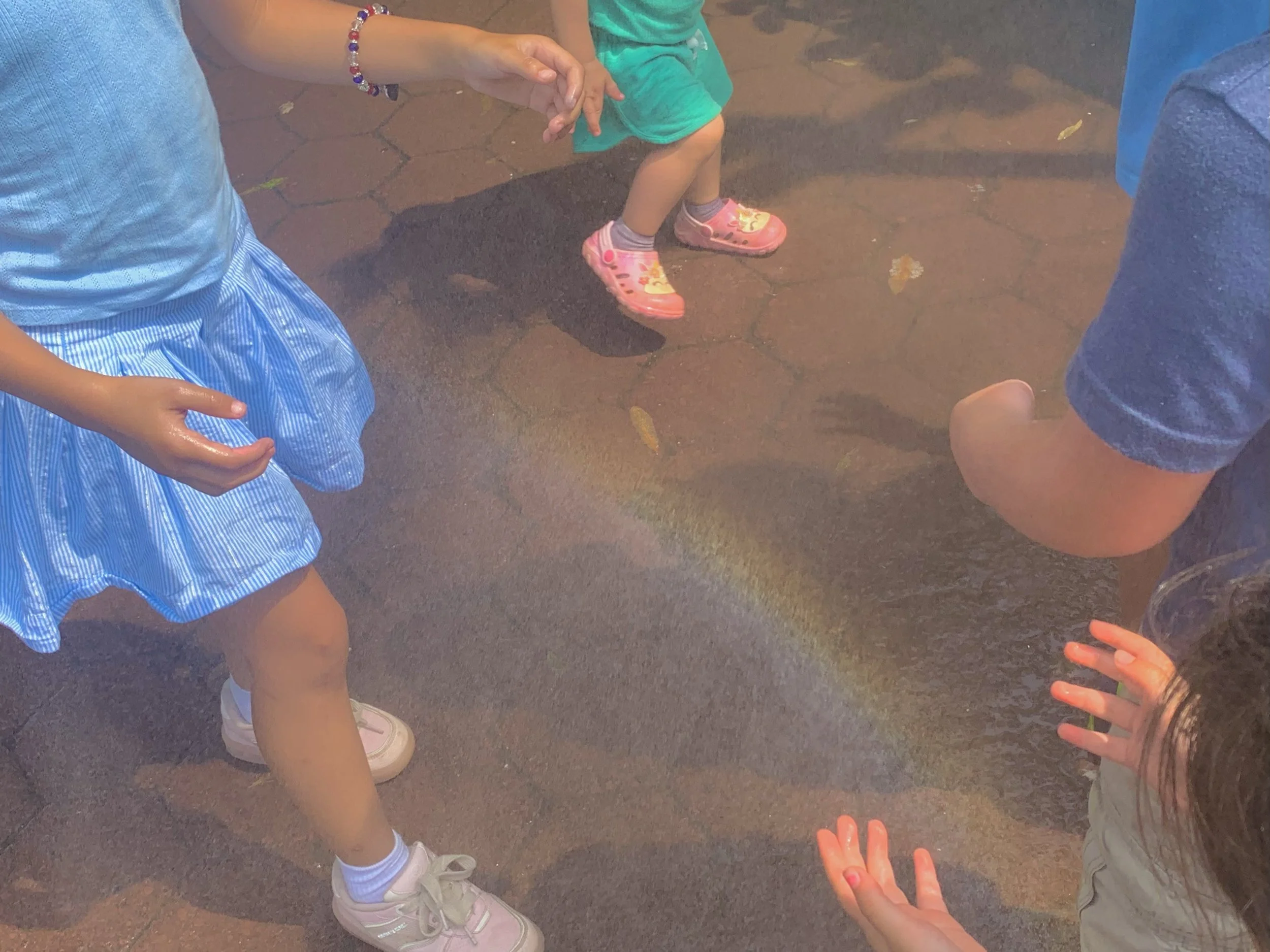
Photographer Lily Starling Eldridge
When I Was a Teenager
with wild hair curling and frizzing
Bonnie Bell lip gloss
vintage lacy shirts
from patchouli-scented Cambridge shops
half-assed homework and sleepovers
telephone conversations winding
cord pulled tight
under basement door
for privacy for gossip for not caring
about anything
skipped classes
cigarette and another cigarette
- hot coffee with heaps of sugar and cream.
2.
I started to have seizures.
I cried;
I cried and I shook.
It was an internal earthquake
but I never passed out,
I never fell down or convulsed
- it was awful but not terrible, right?
I grasped on to the table in front of me
or anything in front of me
-two hands -
because I had the sensation of falling
backward, fast,
and it scared me, deeply,
a whole-body nightmare
during the day.
My hands and arms and legs vibrated,
as if they belonged
to someone else.
It was like a horror movie – Carrie with a tremor,
creepy and wrong
- and with a strength that exhausted me.
My mother took care of me then.
Even though I was 15 years old and
she had dishes and driving
and three other kids
and two dogs and a cat
and dead gerbils
and a husband.
She shuttled us to private schools
in Cambridge and Boston.
She picked me up, drove me home,
and she stayed with me,
devoted, perpetual,
as persistent as a breaking ocean wave
on a sky-spitting gray day.
She even took me herself
to every unpleasant chemical-scented appointment
questioning medical professionals -
pushing to get answers and treatment.
A technician tried to shove
an electrode up my nose.
He told me to relax
and he sprayed something into my nostrils.
I couldn’t bear the burning
so he did the EEG without it
and the strobe light made a seizure start.
It seemed I was destined
to be a tragic figure:
my brother said I was a hero
and some of my teachers tried to say
I was exaggerating or manipulating
or I should try harder at school despite
my illness.
I kind of agreed,
secretly, but
I felt alone in my chaotic head,
vivid nightmares clinging on the periphery,
leaving an odor that only I could smell;
but they told me that was another aura,
another brain glitch
fuzzying up my awareness.
One night, lying fetal on the couch
under a scratchy blanket,
I dreamed that I was in a log cabin
near a series of skinny-legged wooden docks
poking out of the blue-brown water.
A little devil, silver and shiny,
with flashing mercurichrome red eyes strobing,
caused me to have a seizure.
In the dream it was somehow revealed
that my parents were deliberately
making those lights flash -
a stark betrayal.
As I woke, tumbling
forth into reality,
the revelation of my parents’ scheme
webbed into my awareness.
The idea that they had made me sick clung
like twisty wet sheets in the laundry,
me trying to straighten out my thinking,
still sleepy.
But my mother’s high-pitched voice,
calling from the kitchen
- a happy-familiar tune -
defused the vague horror
of the nightmare.
I realized that she might feel responsible
for my illness,
guilty somehow,
or genetically implicated,
when actually she was helping me
to get better.
I felt brave, vaguely,
as if being sick gave me some sort of badge
like a kid on an ‘After-School Special’
and my father bought me a carton of Marlboros,
letting me smoke them
in front of the television,
my older brother aghast.
Now I look back on the seizures,
and me, then a young girl, interested
mostly in friends and sex.
Those episodes vaporized over time,
as if they were just a part of adolescence,
a passageway I had to enter to reach
the foyer of my adult existence.
3.
Now I have a different illness
that has lodged in my brain
and made me a perpetual patient
and weirdly, an optimist,
too, like my mother always was:
”If you don’t have anything nice to say
don’t say anything at all.”
I keep my spirits up:
contorting my limbs and calming my mind in yoga,
listening to playlists from my daughter
- Chappell Roan belting it out -
eating avocado on toasted English muffin
with sweet and spicy jalapenos,
and ‘one day at a time,’
and ‘radical acceptance’
and writing in a journal with a fine-point pen.
But an old bitterness sometimes seeps out,
the acrid relic of my skeptical nature
because so far nothing really helps
very much,
and I do want the nausea of
an ocean churning
inside my head
to drain out with each wave
so that finally I will be clear.
4
And here is my mother,
an old woman now,
with neurological troubles of her own,
thanking me for ordering her groceries.
She tells me what a good daughter
I am.
Still I remember that awful feeling
of falling backward, fast,
as if pushed off a cliff
and the tremor all over
and knowing, deeply,
that she was there, her spirit taking mine
by the hand, an internal connection.
It’s not just DNA.
It’s the hours and hours we had
in waiting rooms,
it’s the medicines running out,
the side effects,
the pharmacy calls.
And all of it embedded in me
so that now I am ready
to be steadfast.
I am here for her
perpetually, spiritually,
as she manages her losses,
the indignities,
the empty ocean bottom,
a desolate cavern,
beckoning in to old age,
loss, and loneliness.
Every day now she and my father sit
next to one another,
in big chairs, his a recliner,
facing the wall where the tv set is mounted,
wires dangling below.
She falls asleep in her wing chair,
still upright, her head gently propped,
eyes lightly closed behind her glasses.
As she wakes she is saying
“This is my chair,”
as if someone might take it from her,
and she looks at each of us,
my father and me.
I explain that she must have been dreaming,
and she smiles,
nods, and stays very still,
maybe wishing to pass through this stage
in which she is lightly aware that something is amiss:
she loses keys, clothing, her phone;
but it is also her confidence that’s becoming thinner,
like smoke dissipating
but leaving a faintly burned scent
that only she can smell.
Nostalgia, memories;
Endings.
Emily Alston-Follansbee wrote her first poem, entitled “Love,” on a tiny piece of paper, in 1972. She was an elementary and preschool teacher for many years, and she raised two children who grew up to be lovely adults. In 2020 Emily became ill with a disabling neurological disorder. She spends her good moments on writing and rewriting, mostly poetry. Emily lives in Maynard, Massachusetts with her cheery husband and two goofy dogs.
Lily Starling Eldridge is a 17 year old girl from Northern Virginia. She is currently a junior at The Madeira School. She enjoys photography, art, creative writing, video games, and hanging out with friends.
