‘What Remains’
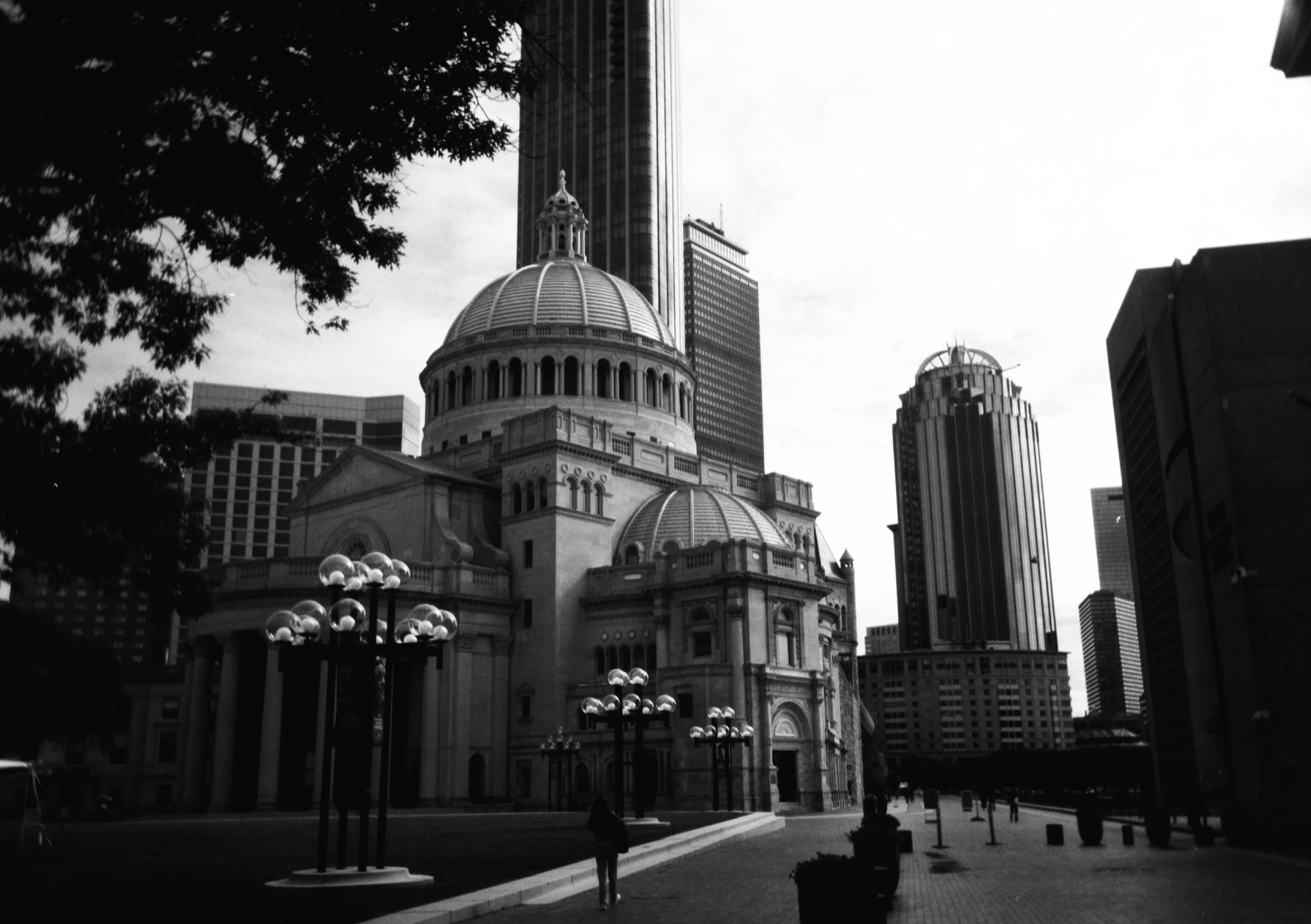
Photographer Carston Anderson
What Remains
I often think about oil. Ha ha, trite American sentiment, I know. Do note the sarcasm. Or don’t. Either way, I don’t think about in terms of cents or dollars per gallon, nor even miles per gallon. I think about what it was. The dinosaurs it used to be. It’s something no one talks about, but we all know, deep down, that our society runs off the liquid corpses of our forebearers.
I go about my days, in my job in HR, not really knowing what my job is. Truthfully, no one knows what being part of HR means except that it’s about payroll, watching movies between menial tasks, and keeping our small logging company from a lawsuit by virtue of existing. I don’t watch movies. I plug in my earbuds and listen to some cheesy podcast host drone on and on about this and that while I think. Dead things consume my thoughts and my world— from the wood in the walls, the papers in my desk, the plastic pens on my desk and the microplastics in my blood. I go home. I eat dead things: dead plants, meat from slaughtered animals. I drink dead things, too: tea, made with dry, dead leaves.
Perhaps this awareness is why I know it true that we are all doomed by this newest plastic plague. Plastics Disease, they call it. A haunting of the mind, a consuming of the body by the dead, gone, and forgotten. Many loggers have been let go because of it, their skin see-through and twisting, feathery growths hanging from them. A balancing.
But it never starts that way.
No, it starts with dreams. Dreams of jungles of deadwood, crumbling pillars of concrete encasing the shells of dead sea life, rot. It makes society feel stifling. Next, the skin becomes red, patchy, and begins to slough off in patches. In its place grows see-through plastic skin, the microplastics in one’s blood accumulating as if they have a mind of their own… and then, at last, crystalline plastic feathers in all their glory.
It’s a gorgeous sight, looking in the mirror and seeing my own feathers.
My nails have become hard plastic claws, my hair having fallen out, replaced with a plastic scalp. Ulysses no longer feels as if it fits me, the name twisting uncomfortably around my tongue as if it seeks to hold onto some of its power over me. No name feels fitting anymore. Maybe it’s always been like that. Maybe I just never noticed it.
My flesh, sinew, and muscle are visible in large swaths, praise Petrol, and little actual skin remains. This new skin is more comfortable than the old, more human than flesh and bone even as it overtakes my body.
And so, I stand before a tar pit— a graveyard of hot, boiling things. It screams my name— my true name— a wet yellow thing like raw animal fat. The same fat I used to have. My friends are there. Not my human ones, but the ones I always took note of: the velociraptor I saw in my favorite pen, the yutyrannus I saw in my toothbrush, the stegosaurus I saw in my laundry basket. Sweat drips from a patch of skin left on my neck, my leather loafers inherited from Uncle Graham peeling in this heat.
I step forward, into the pit. It doesn’t hurt, even as it melts me. I swim forward, sinking in the boiling tar as I close my eyes. My death will have purpose; my body will become oil, and fuel future generations. But in my final moments? I return to nature.
Aubrey Lynch is a queer, disabled writer living in Florida. A Cedar Crest College graduate, she has been published in the 2025 edition of "The Central Dissent" , on "The Words Faire" website, and will appear in LEVITATE in May, 2026. Her fifteen year old cat, Murphy, is unamused and unimpressed.
Carston Anderson is a graduate student at the University of Massachusetts, Boston. Previous fiction has been published by Jackdaw Press and HalfandOne, and his previous photography is scheduled to be released in Cantos and Acropolis Journal.
